HubSpot is a powerful tool for B2B marketing, but how suitable is it for B2C projects? In this article, we want to answer this question as honestly and objectively as possible.
The strengths of HubSpot in B2C marketing
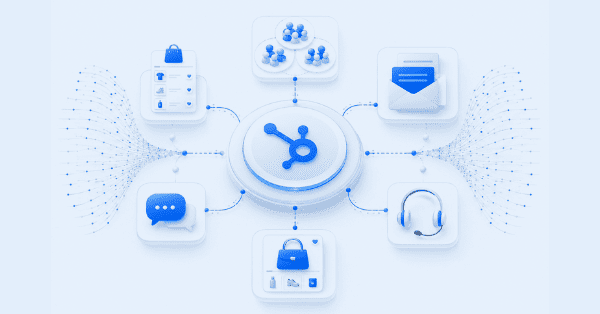
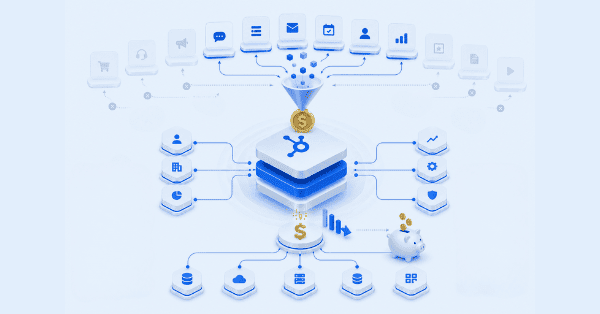
HubSpot is known for its comprehensive functions in the B2B sector, but it also offers many advantages for B2C marketing. HubSpot can play to its strengths in B2C marketing, especially when companies need more than just a classic newsletter tool. The platform combines CRM, marketing automation, customer service, reporting and data management in one central system. This allows companies to merge customer data from different sources and create significantly more personalized customer journeys.
Especially for data-driven B2C companies with multiple touchpoints such as websites, newsletters, paid ads or customer support, HubSpot offers a strong basis for centralizing processes and making marketing measures more measurable. The automation functions, flexible segmentation and the ability to combine marketing, sales and service data are particularly helpful. Accordingly, HubSpot is particularly strong in complex B2C and B2B2C models.
Where HubSpot can reach its limits in the B2C sector
HubSpot originally grew strongly out of the classic B2B environment. Many functions are geared towards longer sales cycles, deal pipelines and sales-driven processes. In the B2C sector, however, the requirements are often completely different: higher contact volumes, shorter purchase decisions, greater automation and a much greater focus on retention, newsletters and repeat purchases.
For fast-growing B2C companies in particular, HubSpot may not always be the most efficient or cost-effective solution. A competent, tool-agnostic CRM agency can help with the decision here.
High costs for large contact volumes
License costs are a classic problem in the B2C sector. While B2B companies often work with a few thousand contacts, many e-commerce or consumer brands quickly move into the six- or seven-figure contact range.
As HubSpot links many price components to marketing contacts, the costs can rise sharply relatively quickly. Companies with large newsletter databases or many historical contacts in particular must therefore think very carefully about which contacts should actually be considered marketing contacts, as these are actively used.
This makes topics such as data cleansing, inactivity logic and contact segmentation extremely important in the B2C sector. As a ZeroBounce partner, we are experts in this field and can provide you with competent support.
Email marketing: good, but not always specialized enough
HubSpot offers solid email marketing functions and is perfectly suitable for many companies. Nevertheless, some B2C brands reach their limits, especially when highly specialized e-commerce use cases become relevant.
These include, for example
- complex browse abandonment routes
- very deep product personalization
- Distinct retention and loyalty logics
- High-frequency campaign management
- cross-channel commerce automation
Specialized tools such as Mailchimp were developed precisely for such requirements and in some cases offer deeper integration into typical e-commerce ecosystems.
However, this does not automatically mean that HubSpot is unsuitable; rather, companies should assess their requirements realistically.
HubSpot is more of a central business system than a pure newsletter tool
Many companies make the mistake of viewing HubSpot solely as a newsletter or email marketing tool. However, HubSpot's real strength lies in its ability to bring together different areas of the company centrally: CRM, marketing functions, sales tool, customer service and much more.
This can be a huge advantage, especially in the B2C sector, if companies want to move away from data silos and build a central customer data platform.
The question is therefore often not: "Can HubSpot do email marketing?"
Rather: "Do we need a specialized email tool or a central system for marketing, CRM and customer processes?"
Complexity and learning curve
HubSpot is extremely powerful. However, this can also be a challenge. Especially smaller B2C companies or teams without dedicated CRM and marketing operations roles quickly feel overwhelmed by the multitude of functions. The larger the system becomes, the more important clear processes, clean data structures, clear roles and governance become.
Regardless of the tool, the problem is often less to do with "HubSpot" itself than with a lack of strategy and poor implementation.
For which B2C companies is HubSpot particularly suitable?
HubSpot can work very well in the B2C sector, especially when companies
- need to map more complex customer journeys
- coordinate international teams or several departments
- are looking for a scalable system in the long term
HubSpot is often particularly exciting for:
- B2C products that require explanation
- Fitness and membership models
- education companies
- hybrid B2B2C models
- Companies with a high proportion of consulting
When specialized alternatives can make sense
There are certainly B2C companies where Mailchimp or Klaviyo make more sense - typical examples of this would be
- pure newsletter-first e-commerce brands
- Extremely strong shopify or commerce focus
- Very small teams with little need for CRM
- Companies with a pure retention focus
If you are unsure whether HubSpot is right for you, simply arrange a initial consultation.
Value for money: Is HubSpot worth the investment?
The investment in a marketing platform like HubSpot for B2C can be significant, so it's important to evaluate the value for money. HubSpot offers different pricing models that can be customized depending on a company's specific needs.
While the cost may seem high at first glance, the efficiency and revenue gains achieved by using HubSpot can justify the investment, but in most cases we would advise a traditional e-commerce brand against HubSpot.
However, if you are in the B2B2C sector, e.g. a fitness studio, a dentist/clinic or a company in the education sector, HubSpot can be a very sensible solution.